Mostrando entradas con la etiqueta Coliseo. Mostrar todas las entradas

PROPOSAL BOOK TITTLE "FAMOUS CONSTRUCTIONS"


"FAMOUS CONSTRUCTIONS-CONSTRUCCIONES FAMOSAS"
Español - English
Por José Miguel Hernández Hernández
Editor, Escritor y
Fotógrafo de Arquitectura


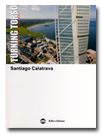
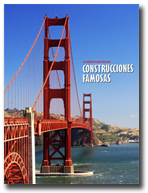
                    Después de escribir mi libro sobre el HSB Turning Torso y antes de seguir adelante elaborando nuevos libros relacionados con la arquitectura moderna y contemporánea, sentí la necesidad de conocer y profundizar más a cerca de las grandes obras de arquitectura e ingeniería más importantes que se habían construido a lo largo de toda la historia. Debes saber que, inmediatamente, al estudiar a fondo las primeras obras, me di cuenta enseguida de que quería elaborar un libro fascinante al que titulé "Construcciones Famosas" y en el que incluí 20 obras famosas que a mi juicio definían la evolución de la arquitectura y la ingeniería desde el inicio de la era moderna hasta nuestros días.

Statue of Liberty, New York, USA

En este apasionante libro, tomé como punto de partida a la famosa Estatua de la Libertad, ya que considero que con la construcción de este importante monumento comenzó el inicio de la era moderna. Te invito que sueñes con las obras más famosas del mundo por excelencia a través del avance del libro con el vídeo y la breve descripción del mismo. Si te gusta y atrae este libro, por favor, para que ayudes a que sea publicado, puedes dejar tu comentario al pie de esta página donde dice "Publicar un comentario en la entrada". De esta forma ayudarás a que el libro salga a la luz pública; seguro que te sorprenderá...

Muchas gracias!


Breve descripción del libro

                   Este libro apasionante ha pretendido recoger las construcciones más famosas del mundo por excelencia desde finales del siglo IXX hasta comienzos del siglo XXI. El inicio del libro cuenta con una amplia introducción en la que se ha hecho un repaso del mundo del arte desde el punto de vista arquitectónico desde sus orígenes hasta nuestros días a lo largo de toda la historia.

El contenido lo conforman veinte importantísimas obras famosas ordenadas por la fecha en la que fueron construidas, que definen un libro único, en el que nunca antes se habían agrupado tantas obras importantes y representativas a nivel mundial. Aunque podrían ser muchas más, estas veinte " Construcciones famosas " resumen la evolución de la Arquitectura y la Ingeniería a través de los diferentes estilos arquitectónicos más importantes de los últimos tiempos.

Haciendo un recorrido por el Estilo Internacional, el Art Decó, o estilos más modernos como el High-tech, el Deconstructivismo, el Post-moderno o el Estilo Contemporáneo, repasan, gracias al importante diseño de sus creadores, la evolución de las obras arquitectónicas más importantes de nuestro tiempo.

Con el inicio de la era moderna, ciudades de todo el mundo se han nutrido de auténticos iconos diseñados por verdaderos expertos en la materia. Todo el mundo se quiere fotografiar al lado de la Estatua de la Libertad, la Torre Eiffel, el Puente Colgante Golden Gate o el Coliseo Romano.

Las personas que viven en alguna ciudad donde se ha construido una obra arquitectónica de este tipo, se pueden llegar a sentir totalmente identificadas con ellas con el paso del tiempo, lo que les da un valor simbólico muy especial, allá donde fueron construidas...


Copyright © José Miguel Hernández Hernández
Todos los derechos reservados


Video promotional


Este video promocional es un avance de mi próximo libro titulado "CONSTRUCCIONES FAMOSAS", que actualmente está aún en proceso de elaboración en dos idiomas (Español-Inglés), y a la espera de ser publicado... / This promotional video is a preview of my next book titled " FAMOUS CONSTRUCTIONS ", which is currently still under development in two languages (English-Spanish), and waiting to be published ...
by José Miguel Hernández Hernández
Editor, Escritor y Fotógrafo de Arquitectura /
Publisher, Writer and Architectural Photographer
www.jmhdezhdez.com


                    After writing my book on the HSB Turning Torso and before proceeding to develop new books about modern and contemporary architecture, I felt the need to know and deeper about the great works of architecture and engineering major who had built throughout the whole story. You know that immediately, studying in depth the first works, I realized right away that wanted to produce a fascinating book which was called "Famous Constructions" and which included 20 famous works which I think defined the evolution of architecture and engineering since the beginning of the modern era to today.

Statue of Liberty, New York, USA

In this fascinating book, took as its starting point the famous Statue of Liberty, as I believe that with the construction of this important monument began the beginning of the modern era. I invite you to dream with the world's most famous works of excellence through the advancement of the book with the video and brief description. If you like and brings this book, please, to help release it, you can leave your comment at the bottom of this page where it says "Post a comment in the post". In this way you will help the book come to public light, you'll be amazed ...

Thanks so much!


Brief description of the book

                   This fascinating book has tried to collect the world's most famous buildings for excellence from the end of IXX century to the early twenty-first century. The beginning of the book has an extensive introduction that has become a review of the art world from the architectural point of view from its origins to our days along the whole story.

The content is up twenty very important famous works sorted by the date on which they were built, which define a unique book, which never before had gathered so many important works representative worldwide. Although there could be many more, these twenty famous constructions summarize the evolution of Architecture and Engineering through the different architectural styles important of recent times.

By walking through the International Style, the Art Deco, or more modern styles like High-tech, the Deconstructivism, the Post-modern or Contemporary Style, review, thanks to the important design of its creators, the evolution of the most important architectural works of our time.

With the beginning of the modern era, cities around the world have been nourished by authentic icons designed by true experts. Everyone wants to photograph next to the Statue of Liberty, the Eiffel Tower, the Golden Gate Bridge or Roman Coliseum.

People living in a city where he has built an architectural work of this type, it may feel totally identified with them over time, which gives them a symbolic value very special wherever they were built ...


Copyright © José Miguel Hernández Hernández
All rights reserved


HOME   GEOGRAPHY   ARCHITECTURE    ENGINEERING   SKYSCRAPERS
BRIDGES   BUILDINGS  TOWERS   PUBLICATIONS   ABOUT ME   CONTACT

Copyright © José Miguel Hernández Hernández
Editor, Escritor y Fotógrafo de Arquitectura /
Publisher, Writer and Architectural Photographer
http://www.jmhdezhdez.com/
Leer más...

ARCHITECTS / FLAVIAN DINASTY


Coliseum
Rome, Italy


HOME   GEOGRAPHY   ARCHITECTURE    ENGINEERING   SKYSCRAPERS
BRIDGES   BUILDINGS  TOWERS   PUBLICATIONS   ABOUT ME   CONTACT

Copyright © José Miguel Hernández Hernández
Editor, Escritor y Fotógrafo de Arquitectura /
Publisher, Writer and Architectural Photographer
http://www.jmhdezhdez.com/
Leer más...

Coliseum, Rome, Italy, Europe, 70 a.C. al 80 d.C.


ESPAÑOL

Promotor: Emperadores de la Dinastía Flavia
Distribución: Planta Elíptica de 189 x 156 metros
Capacidad: 50.000 espectadores
Altura: 48 metros

Una de las construcciones más famosas del mundo entero por excelencia es el Coliseo de Roma. Antiguamente se le conocía con el nombre de Anfiteatro Flavio y se encuentra localizado en el corazón de la ciudad de Roma. La construcción tiene una gran influencia religiosa y fue construida entre los años 70 a.C. al 80 d.C. por los Emperadores de la Dinastía Flavia. El majestuoso edificio se erigió espléndido alrededor de una planta elíptica de 189 metros de largo por 156 de ancho y 48 metros de altura. El interior del edificio, abierto al cielo de Roma, se distribuyó con 80 filas de gradas con una capacidad para 50.000 espectadores de la época desde la que se presenciaban todo tipo de acontecimientos de carácter cultural y social. La lucha de gladiadores, la recreación de batallas famosas a través del teatro, los famosos Juegos, etc, además de otros muchos espectáculos públicos, se darían cita aquí durante nada menos que 500 años. El famoso monumento figura en la lista de las siete maravillas del mundo antiguo y ha sido proclamado desde el año 1980 por la Unesco como Patrimonio de la Humanidad. No obstante, el famoso Coliseo de Roma es, junto con la Torre Eiffel de París y la Estatua de la Libertad de Nueva York, uno de los monumentos más visitados del mundo en la actualidad. Por su tamaño y su forma ovalada, el Coliseo de Roma ha inspirado también a otros arquitectos a lo largo de toda la historia para diseñar estadios deportivos más modernos de similares dimensiones.


La majestuosa fachada, en su mayoría de piedra de travertino y de casi 50 metros del altura en su punto más alto, esta formada por cuatro cuerpos de diferentes órdenes clásicos; columnas de orden dórico para el primer nivel, orden jónico para el segundo y corintio para el tercero. Estas columnas que embellecen la fachada son puramente decorativas y se muestran en todo su esplendor en relieve más saliente que el resto de la monumental construcción. El dibujo de los tres primeros niveles lo conforman 80 arcos de medio punto con sus correspondientes dovelas que se apoyan en enormes pilares con sección rectangular y que son el sustento de gran parte del edificio; el cuarto nivel, sin embargo, está formado por pilastras adosadas mediante una pared ciega alrededor de todo el recinto, exceptuando los ventanales de forma rectangular que a modo de mirador ofrecen vistas hacia el exterior y coronan el edificio en su parte superior. La ubicación de las gradas destinadas a la realeza se situaron más cerca de la arena para presenciar más los detalles de los espectáculos, mientras que el resto de clases sociales, de mayor a menor rango, iban ascendiendo colocándose en las gradas superiores. El suelo del recinto estaba formado por un forjado de madera recubierto de arena que lo ocultaba; numerosas trampillas se abrían para dejar salir a las fieras. Bajo esta cubierta se escondía un auténtico laberinto de muros que daban cabida a gladidores, fieras, y en general a quien estaba implicado en el concurso de los espectáculos de carácter público que se celebraban en el gran anfiteatro.


El texto de este artículo se incluye en mi libro titulado "CONSTRUCCIONES FAMOSAS" / The text of this item is included in my book title "FAMOUS CONSTRUCTIONS" Español - English
by José Miguel Hernández Hernández
Publisher, Writer and Architectural Photographer
www.jmhdezhdez.com


Video promotional


ENGLISH

Promoter: Emperors of the Flavian dynasty
Distribution: Plant Elliptical 189 x 156 meters
Capacity: 50,000 spectators
Height: 48 meters

One of the most famous buildings worldwide for excellence is the Colosseum in Rome. Formerly known by the name of Anfiteatro Flavio and is located in the heart of the city of Rome. The building has a large religious influence and was built between 70 BC 80 d.C. by the emperors of the Flavian dynasty. The majestic building was built around a magnificent elliptical than 189 meters long by 156 wide and 48 meters high. The interior of the building open to the sky of Rome, was distributed with 80 rows of bleachers with a capacity for 50,000 spectators at the time from which witnessed all kinds of events of cultural and social nature. The fight of gladiators, the recreation of famous battles throughout the theater, the famous Games, etc, plus many other public spectacles, they would gather here for no less than 500 years. The famous monument on the list of the seven wonders of the ancient world and has been proclaimed since 1980 by UNESCO as World Heritage. However, the famous Roman Colosseum, along with the Eiffel Tower and the Statue of Liberty in New York, one of the most visited monuments in the world today. For its size and shaped, the Colosseum has also inspired other architects throughout history to design more modern stadiums of similar size.


The majestic facade, mostly travertine stone and nearly 50 meters high at its highest point, is formed by four bodies of different classical orders, Doric columns to the first level, Ionic for the second and Corinthian for the third. These columns that adorn the front are purely decorative and are displayed in all its splendor in relief more outgoing than the rest of the monumental construction. The drawing of the first three levels is made up of 80 arches with their corresponding segments which are supported by huge pillars with rectangular section and which are the mainstay of much of the building, the fourth level, however, is formed by pilasters by a blind wall around the compound, except rectangular windows that overlook viewing mode outwards and crown the building at the top. The location of the stands for royalty were located closer to the arena to witness more details of the shows, while the other social classes, from highest to lowest rank, were climbing higher placing in the stands. The floor of the enclosure was formed by a slab of wood covered with sand that hid it, numerous hatches were opened to let out to the beasts. Under this cover is hiding an incredible maze of walls that were accommodated gladidores, beasts, and in general who was involved in the competition for the public performances that were held in the great amphitheater.


"Images Colosseum, Rome, Italy"
Image 1 Copyright © Diliff
Image 3 Copyright © Jean-Christophe BENOIST
Image 2-4 Public Domain
"Text" and "Video" Copyright © José Miguel Hernández Hernández
Editor, Escritor y Fotógrafo de Arquitectura /
Publisher, Writer and Architectural Photographer
Todos los derechos reservados / All rights reserved
www.jmhdezhdez.com


Related articles / Artículos relacionados


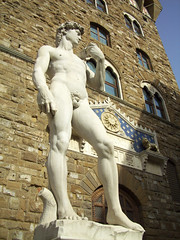
El David
Piazza della Signoria, Fiorenze, Italy
Michelangelo Buonarroti


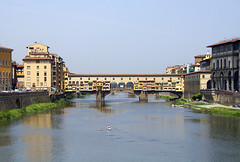
Ponte Vecchio
Florencia, Tuscany, Italy
Taddeo Gaddi and Giorgio Vasari


Pisa Tower
Pisa, Toscana, Italy
Bonanno Pisano and others


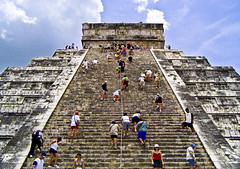
Chichén Itzá Pyramid
Yucatán, Mexico
Maya Dinasty


Acropolis of Athens
Athens, Greece
Ictino, Calícrates y Fidias


MUY IMPORTANTE!!!     VERY IMPORTANT!!!


Deja tu comentario sobre este reportaje al pie de este post donde dice "Publicar un comentario en la entrada"; me será de gran valor para seguir mejorando este sitio web y te contestaré con la mayor brevedad posible... Muchas gracias!

No obstante, si te ha resultado interesante este reportaje y también el Blog en general, por favor, no dudes en hacerte Fan de la página de Fans del Blog de José Miguel Hernández Hernández en Facebook aquí

Nota importante: Una vez que hayas entrado en la página de Fans del Blog en Facebook, con sólo hacer click en el botón de "Me gusta", a partir de ese momento estarás al tanto de todos los nuevos reportajes interesantes relacionados con la Arquitectura y la Ingeniería que aquí se vayan publicando para no perder ningún detalle...

También puedes suscribirte por e-mail (te llegaría un e-mail con el enlace de cada artículo en el mismo momento en que sea publicado), o bien también puedes seguir el Blog a través de Twitter aquí

Nos vemos en el Blog!


Leave a comment on this story at the bottom of this post where it says "Post a comment in the entry", I will prove invaluable to further improve this website and I will answer as soon as possible .. . Thank you very much!

However, if you this story was interesting and the blog in general, please do not hesitate to make Fan Fans of the Blog page José Miguel Hernández Hernández on Facebook here

Very important: Once you enter the page Blog fan of Facebook, simply click on the button Like "From that moment you are aware of all new interesting stories related to the Architecture and Engineering are published here to avoid losing any detail ...

Can also subscribe by e-mail (I would e-mail with a link to each item in the same time it is published), or you can follow through Blog Twitter here

See you at the Blog!


HOME   GEOGRAPHY   ARCHITECTURE    ENGINEERING   SKYSCRAPERS
BRIDGES   BUILDINGS  TOWERS   PUBLICATIONS   ABOUT ME   CONTACT

Copyright © José Miguel Hernández Hernández
Editor, Escritor y Fotógrafo de Arquitectura /
Publisher, Writer and Architectural Photographer
http://www.jmhdezhdez.com/
Leer más...